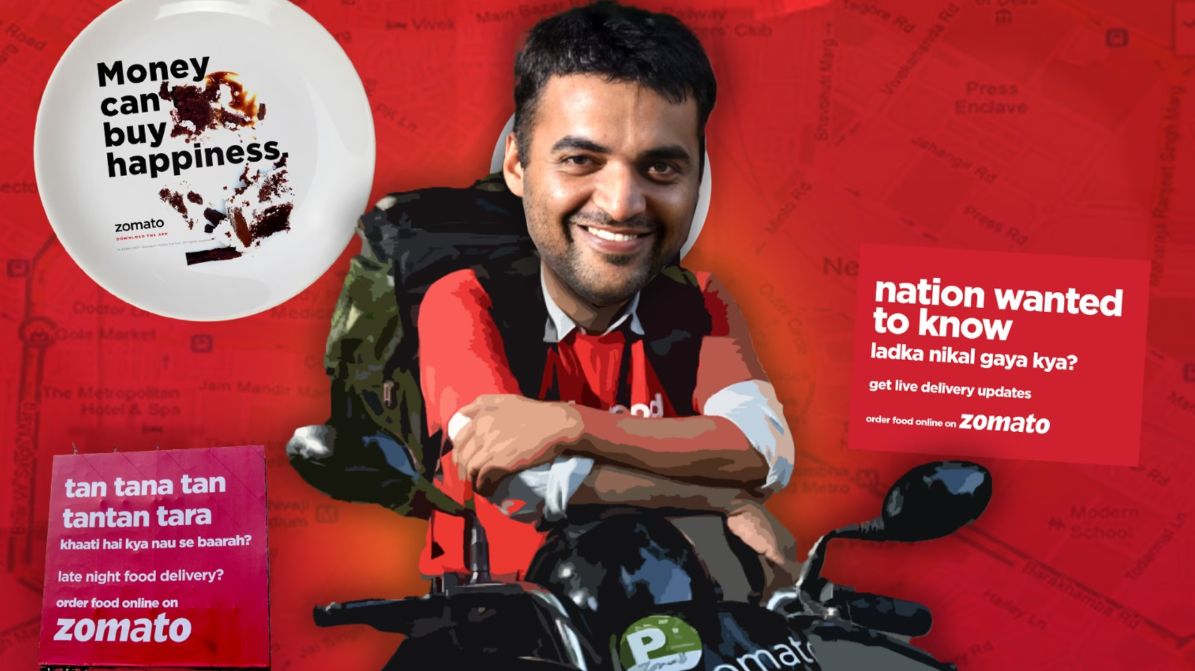
Deepinder Goyal, the founder-CEO of Zomato and now Eternal, has redefined India’s food and commerce ecosystem. Originally an IIT Delhi graduate and ex-Bain consultant, he built Zomato into a multi-business platform spanning food delivery, quick commerce, B2B supplies, and events.
By 2025, the company had rebranded to Eternal to highlight its broader footprint. Not only did it achieve its first full-year profit in FY24, but it also transformed Blinkit and Hyperpure into growth engines. As a result, Eternal is now positioned as one of India’s most innovative consumer internet companies.
Timeline: Pivots, Bets & Milestones
2008–2014: Discovery to Platform
Zomato began as FoodieBay, an online menu and review discovery platform. Over time, it rebranded to Zomato and expanded aggressively to several countries. At this stage, the model was asset-light, relying mostly on content and user reviews.
2015–2019: Entry into Delivery, Portfolio Shaping
As the Indian market evolved, Zomato entered food delivery in 2015. However, by 2019, the company realized that competing globally was inefficient. Consequently, it sold its UAE delivery operations to refocus capital on India, where structural advantages were stronger.
2020–2022: Consolidation & Scale
In 2020, Zomato acquired Uber Eats India in an all-stock deal, which significantly improved market share and supply density. Later, in 2021, the company went public, giving it access to capital and credibility. In 2022, Zomato acquired Blinkit to enter the quick commerce market. Although the acquisition was initially controversial, it eventually became a cornerstone of the company’s growth strategy.
2023–2024: The Operating System for Eating & Essentials
By 2023, Zomato was no longer only about restaurant delivery. Instead, it built a broader operating system. Blinkit nearly doubled its order volume, and Hyperpure doubled its B2B revenues. Eventually, these moves led to Zomato reporting its first full-year profit in FY24.
2024–2025: Beyond Food Delivery
In 2024, the company acquired Paytm’s ticketing business and launched District, an app covering dining, events, and entertainment. Finally, in 2025, Zomato rebranded as Eternal, organizing its portfolio into four super-brands: Zomato, Blinkit, Hyperpure, and District.
Strategy Playbook
1) Bet on Network Density, then Expand the Surface Area
Zomato’s strategy revolved around building density. In food delivery, Uber Eats India provided scale, which reduced delivery times and improved reliability. Later, Blinkit extended this density into quick commerce through dark stores, allowing 10–20 minute deliveries. Meanwhile, District leveraged the same user base for going-out experiences. Thus, each adjacency was carefully layered to expand the surface area of demand.
2) Own the Stack Where It Matters (Hyperpure)
Unlike delivery, where competition is fierce, Hyperpure gave Zomato control over restaurant supplies. Consequently, it increased partner loyalty, ensured food quality, and generated recurring B2B revenues. Moreover, by integrating backward into the supply chain, Zomato created a defensible moat.
3) Portfolio Discipline: Prune, Consolidate, Reinvest
Goyal repeatedly demonstrated discipline. For example, selling international operations freed resources for India. Furthermore, the IPO gave Zomato the financial muscle to pursue acquisitions such as Uber Eats India, Blinkit, and Paytm’s ticketing business. Therefore, every portfolio move aligned with long-term value creation.
4) Brand Architecture: Super-Brands vs. Super-App
Unlike rivals attempting super-app models, Zomato built super-brands. Zomato focuses on food delivery, Blinkit on quick commerce, Hyperpure on B2B supplies, and District on experiences. Importantly, this structure prevented product clutter and ensured each app remained user-friendly. At the same time, synergies between them created cross-pollination of demand.
Product & Operating Innovations
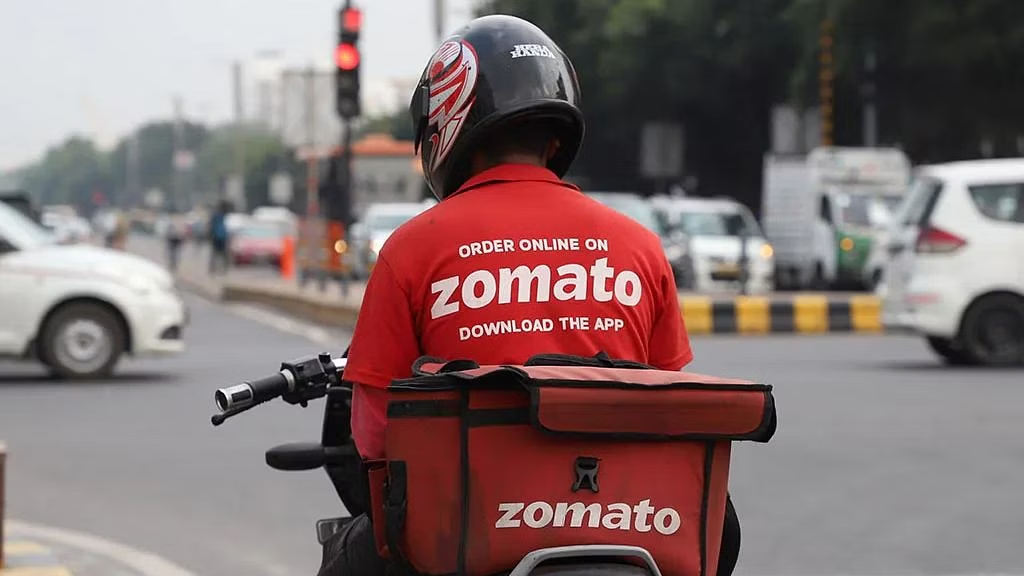
Zomato introduced several innovations to stay competitive. First, it optimized logistics through smarter routing and batching. Second, Blinkit boosted frequency by focusing on essentials, groceries, and gifting, thereby ensuring users opened the app multiple times per week. In addition, District created an integrated lifestyle platform by combining dining reservations, movie tickets, and event bookings.
On the supply side, Hyperpure delivered just-in-time restaurant supplies, which reduced stockouts and improved food quality. Consequently, restaurants became more dependent on Zomato, creating stronger partner stickiness.
Financial Turning Points
The real inflection came in FY24 when Zomato reported its first profitable year. Notably, Blinkit almost doubled its gross order value, while Hyperpure grew revenues by nearly 2x. Moreover, the blended contribution of advertising, delivery, and B2B revenues improved operating leverage.
Food delivery continues to be the engine of profitability. However, Blinkit and District are positioned as high-frequency use cases that enhance engagement, while Hyperpure provides recurring stability. Therefore, Eternal’s diversified revenue mix reduces its dependence on a single category.
Challenges & How Goyal Navigated Them
Zomato faced multiple headwinds. At times, restaurants accused the platform of unfair commissions. Nevertheless, the company balanced profitability with partner satisfaction through loyalty programs and support initiatives.
Another challenge was investor skepticism when Zomato acquired Blinkit. Many considered the deal overpriced. Yet, Blinkit’s exponential growth silenced critics and validated the quick commerce strategy.
Finally, managing capital allocation was tricky. Still, Goyal’s decision to exit weaker international markets and focus on India sharpened execution and improved investor trust.
Leadership Notes on Deepinder Goyal
Deepinder Goyal is known for being detail-oriented and customer-obsessed. Importantly, he balances product instincts with financial discipline. Moreover, he treats the company as a portfolio, pruning underperforming bets while doubling down on adjacencies with strong potential.
In 2025, the rebrand to Eternal showed his ability to reshape the company narrative. Ultimately, Goyal demonstrated that founders can reinvent their companies while keeping focus intact.
What Made Zomato/Eternal Hard to Copy
Several factors made Eternal unique. First, it had nationwide liquidity across restaurants, riders, and customers. Second, it mastered India’s operational complexity with faster ETAs and optimized logistics. Third, its adjacency flywheel—food, essentials, supplies, and going-out—created multiple revenue streams. Finally, its brand architecture ensured clarity while still leveraging synergies.
Lessons for Founders
Zomato’s journey offers timeless lessons. Founders should sequence bets, building a strong core before diversifying. They must also own chokepoints, as Hyperpure demonstrates. Moreover, pruning non-core areas sharpens execution. Additionally, targeted acquisitions can accelerate network effects, while clear brand positioning ensures consumer loyalty.
Mini-SWOT (2025)
Strengths: Pan-India demand density, diversified portfolio, strong unit economics
Weaknesses: Thin delivery margins, periodic partner conflicts
Opportunities: Expansion of quick commerce, ad monetization, ticketing scale
Threats: Fierce competition from Swiggy, Reliance, and possible regulatory scrutiny
The Bottom Line
By 2025, Zomato under Deepinder Goyal had evolved far beyond food delivery. Through smart sequencing of bets, bold acquisitions, and disciplined focus, the company reinvented itself as Eternal. As a result, it now powers how Indians eat, shop, and go out.
Ultimately, the case study demonstrates how vision, execution, and portfolio thinking can turn a scrappy startup into a global foodtech giant.