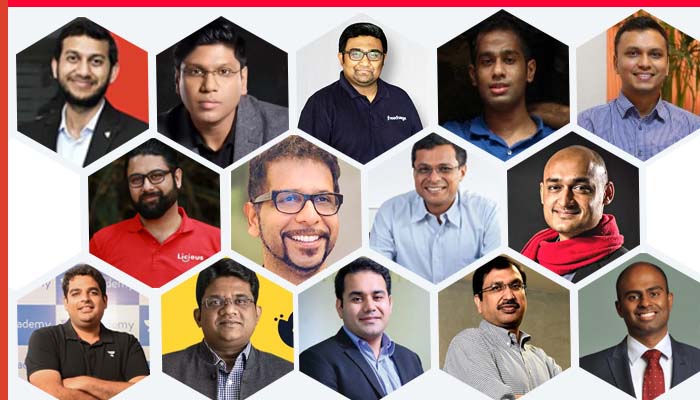
Securing the first round of funding is often seen as a defining moment for Indian startup founders. It opens doors to new opportunities, fuels growth, and validates their vision. Yet, behind the celebrations, many entrepreneurs admit they wish they had known more before stepping into their first fundraising journey.
Let’s explore the key lessons founders across India share about their first funding rounds—and what today’s aspiring entrepreneurs can learn from them.
1. Funding is Not Success, It’s Fuel
One of the biggest realizations founders share is that raising money doesn’t equal success. It’s merely fuel to help the business grow faster. Many startups, after raising their seed or Series A, found themselves distracted by celebrations rather than focusing on execution. The advice is simple: funding buys you time and resources, not guaranteed market success.
2. Investors Back People More Than Ideas
Indian founders consistently highlight that investors often place more weight on the team than the idea itself. A strong, resilient, and adaptable founding team can pivot when needed, while even the best ideas can fail with the wrong execution. Building credibility, trust, and showing commitment matters as much as your business plan.
3. Term Sheets Are More Than Just Valuation
Early-stage entrepreneurs often focus solely on the valuation number, but many later regret not paying attention to clauses around control, voting rights, liquidation preferences, and vesting schedules. These details shape the long-term relationship with investors. Founders recommend seeking expert legal help to avoid surprises later.
4. The Diligence Process is Intense
For many first-time founders, the due diligence process feels overwhelming. Investors scrutinize financial records, compliance documents, team structures, and even customer contracts. Preparing in advance by keeping documentation clean, accounting transparent, and governance solid can save founders weeks of stress.
5. Storytelling is as Important as Numbers
Pitch decks filled with financial projections and market sizing often fall flat without a compelling story. Founders admit they underestimated the importance of weaving their personal journey, vision, and passion into the pitch. Investors want to believe not just in the numbers, but in the founder’s ability to inspire and lead.
6. Fundraising is a Full-Time Job
Many founders regret underestimating the time and energy required for fundraising. It often takes months of back-to-back meetings, follow-ups, and negotiations. During this time, business operations can suffer if the founder doesn’t delegate effectively. Balancing fundraising with running the company is one of the toughest challenges.
7. Not All Money is Good Money
Founders often recall wishing they were more selective about investors. While capital is important, the wrong investor can create conflicts, misaligned expectations, and cultural mismatches. The best partnerships are those where investors bring not just funds but also strategic guidance, networks, and mentorship.
8. Dilution Happens Faster Than You Think
Many first-time entrepreneurs give away too much equity too early. Over time, they find themselves with less control and reduced motivation. Experienced founders now advise newcomers to raise only what they need and think carefully about long-term ownership before signing the first deal.
9. Build Relationships Before You Need Money
Cold emailing investors rarely works. Founders who had taken the time to build relationships months before their funding needs often found the process smoother. Attending startup events, engaging in founder communities, and networking with VCs can open doors later. Trust is built long before the pitch.
10. Rejection is Part of the Process
Most Indian founders admit they faced multiple rejections before landing their first cheque. Instead of taking it personally, they learned to treat rejection as feedback. Each “no” sharpened their pitch, clarified their model, and improved their storytelling. Resilience turned out to be the most valuable skill.
Closing Thoughts
The first funding round is a milestone, but it’s also a steep learning curve. Founders across India agree that understanding the nuances of fundraising can save entrepreneurs from costly mistakes and regrets.
If you are preparing for your first round, remember: funding is not the destination but the beginning of a longer, more demanding journey. Go in informed, prepared, and resilient.