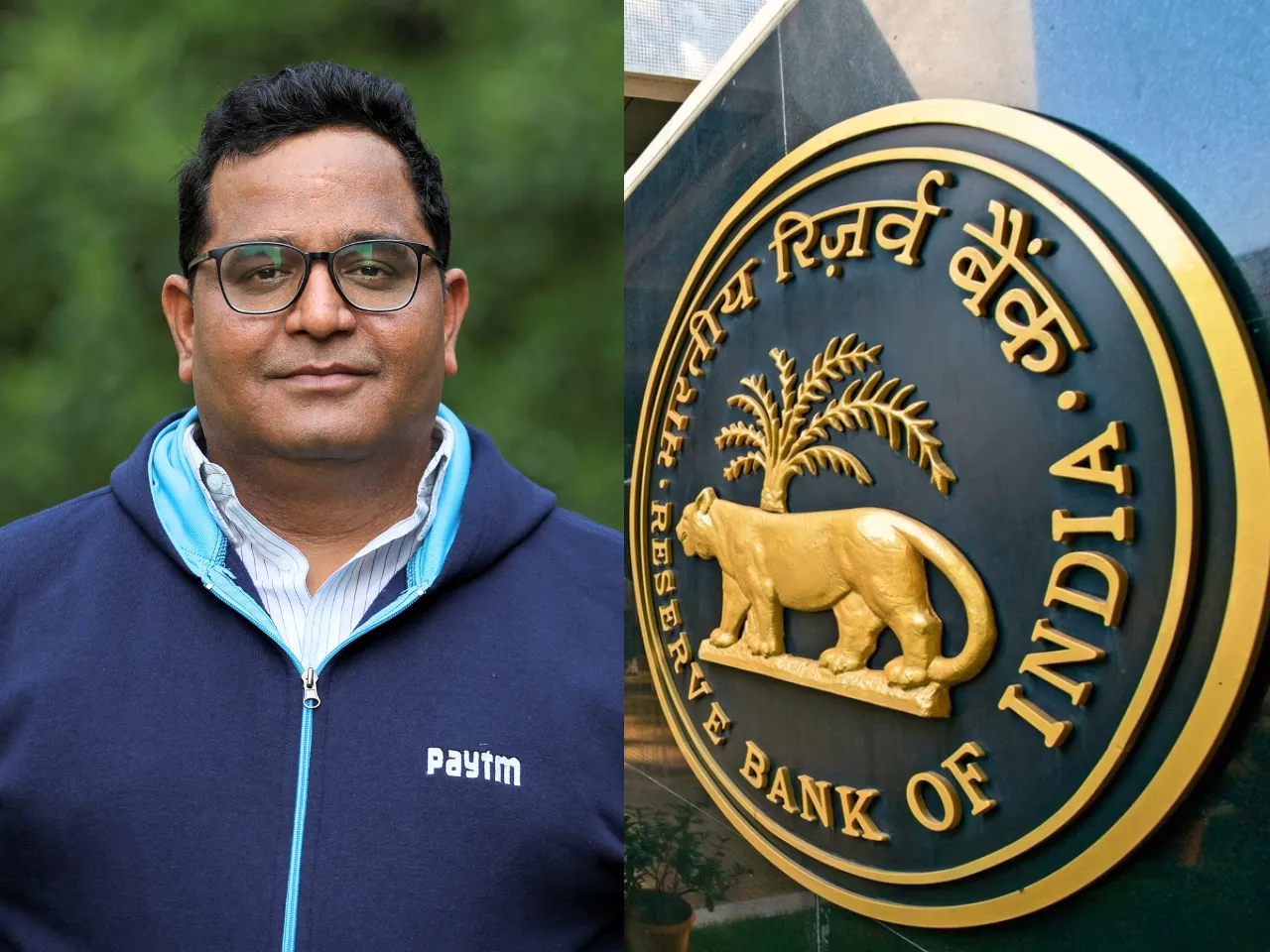
The Paytm Payment Aggregator Licence approval has created a major shift in India’s fintech landscape. Paytm Payments Services Limited, the payments arm of One97 Communications, has received its final Certificate of Authorisation (COA) from the Reserve Bank of India (RBI) to act as a payment aggregator. The licence took effect on November 26, 2025, marking a critical milestone for the fintech giant.
What the Licence Means for Paytm
With the Paytm Payment Aggregator Licence, the company now gains full authorisation to provide payment aggregation services under the Payment and Settlement Systems Act, 2007. Because of this approval, Paytm can:
- Deploy and manage point-of-sale (POS) machines and soundboxes across merchant outlets
- Enable a broad range of payment methods including UPI, credit cards, debit cards, and wallets
- Lower its payment processing cost across transactions, which usually ranges from 0.5% to 2% based on transaction volume
This licence allows Paytm to strengthen its merchant ecosystem and improve margins in high-volume transactions.
Timeline of Regulatory Progress
RBI first granted an in-principle approval to Paytm Payments Services in August 2025. The final authorisation came three months later. Around the same period, Paytm’s board cleared an investment of up to ₹2,250 crore into the subsidiary through a rights issue to boost net worth and fuel business expansion.
Financial Context and Growth
Paytm reported a net profit of ₹21 crore in Q2 FY26. Although year-on-year profitability declined due to a previous one-time gain of ₹1,345 crore from the Paytm Insider sale, operational growth has stayed strong. The company posted a 24% YoY and 7% QoQ jump in operating revenue, reaching ₹2,061 crore for the quarter.
With the Paytm Payment Aggregator Licence, analysts expect the payments subsidiary to optimise expenses, scale its merchant network further, and strengthen its recurring revenue model.