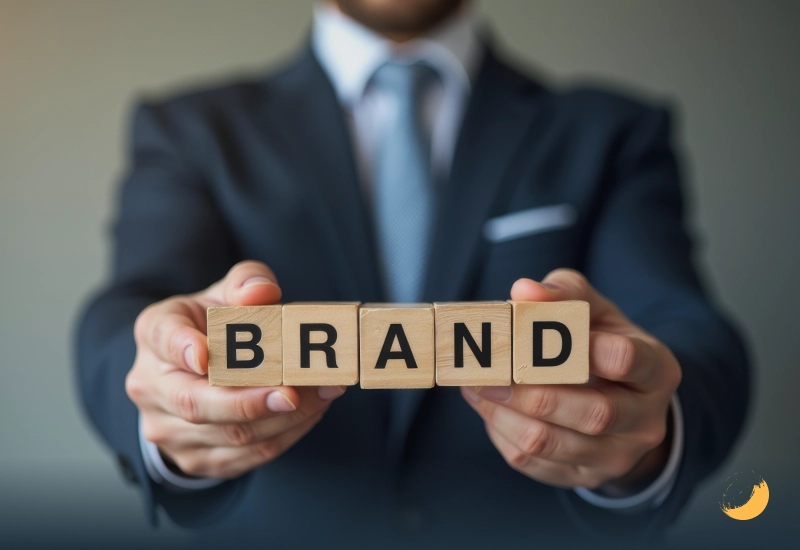
Building a successful startup takes more than an innovative product or disruptive technology. In today’s fast-paced digital age, where founders and their startups are under constant public scrutiny, your personal brand as a founder could be your startup’s greatest growth lever. The days of hiding behind a company logo are over. People want to connect with the minds behind the brands they support, and that means personal branding for startup founders is non-negotiable.
People Buy Into Founders Before They Buy Products
For early-stage startups, the product often isn’t enough to win trust. Customers, investors, and employees take a leap of faith based on their belief in the founder. If your personal brand reflects credibility, vision, and authenticity, people are far more likely to give your product a chance.
Consider this: when a startup is new, it has little traction, zero social proof, and limited market presence. The only story that exists is the founder’s story — your expertise, your values, and your grit. A strong personal brand fills the trust gap until the startup itself can stand on its own.
The Personal Brand Becomes the Startup’s Human Face
Customers don’t connect with features and functionality; they connect with people and stories. When founders share their journey, the struggles behind the startup, and the mission driving their work, it makes the brand relatable.
Your personal brand gives your startup a human face in an increasingly digital world. Whether it’s your LinkedIn posts, podcast appearances, or keynote speeches, your presence personalizes your startup in a way no corporate press release ever could.
Credibility Drives Funding and Partnerships
Investors invest in people first and business models second. In pitch meetings, what founders say and how they say it often weighs heavier than what’s written in the business plan. Founders with strong personal brands already have a public track record of leadership, thoughtfulness, and resilience — all qualities that investors look for.
Similarly, when potential partners or clients vet your company, your personal presence online and offline can tip the scales. If your personal brand demonstrates expertise and industry influence, people are more likely to want to associate with your startup.
Talent Magnet: Your Personal Brand Helps You Recruit
Startups fight fierce battles for talent. The best engineers, marketers, and operators often have multiple job offers — so why should they bet their careers on your startup? The answer: because they believe in the founder’s vision.
A well-crafted personal brand that communicates your startup’s purpose, culture, and ambition can help you attract people who align with your values. Founders who share openly about their leadership philosophy, company culture, and team wins build employer brands that draw top talent.
Thought Leadership Is a Growth Multiplier
Personal branding isn’t just about promotion — it’s about thought leadership. By sharing your unique perspectives on your industry, product category, or startup challenges, you shape conversations.
Thought leadership gives your startup indirect marketing. When your audience sees you as a go-to expert in your space, they start associating your startup with innovation and leadership. That unlocks media coverage, speaking engagements, podcast interviews, and partnership opportunities.
Vulnerability Builds Trust
Too often, founders mistakenly think personal branding is about painting a picture-perfect narrative. In reality, the most powerful personal brands are built on vulnerability and transparency. Sharing your mistakes, failures, and learnings humanizes you.
Founders who openly discuss setbacks build deeper trust with their audience. It shows that you’re not just a polished executive but a real person figuring things out — just like your customers, employees, and investors.
Social Media: Your Modern-Day Stage
Today’s social media platforms are the fastest, most cost-effective way to build a personal brand. Platforms like LinkedIn, X (formerly Twitter), and YouTube give startup founders a stage to share their insights, experiences, and personality.
Consistency is key. A random viral post won’t build a personal brand, but consistent, authentic storytelling over months and years will. Whether you post daily thoughts, long-form articles, or behind-the-scenes videos, the key is to show up regularly and engage with your audience meaningfully.
Personal Branding Outlasts Your Startup
Here’s an uncomfortable truth — most startups don’t succeed. But your personal brand isn’t tied to one company. Whether your startup pivots, gets acquired, or winds down, your personal reputation follows you to your next venture.
Think of it as career compounding. The stronger your personal brand, the easier it becomes to raise funding for your next startup, advise other companies, or transition into new leadership roles. Founders like Bhavish Aggarwal, Kunal Shah, and Shradha Sharma didn’t stop being influential because their companies grew — their influence grew beyond their companies.
Actionable Steps to Start Building Your Personal Brand
If you’re a founder looking to build your personal brand but unsure where to start, here’s a simple framework:
1. Define Your Narrative
What do you stand for? What’s your mission beyond just building a profitable startup? Craft a clear narrative about who you are and what you believe in.
2. Share Your Journey
Don’t just talk about the wins — share the struggles. People relate to challenges and perseverance more than overnight success stories.
3. Pick Your Platforms
You don’t have to be everywhere. Start with one or two platforms where your target audience hangs out. For most founders, LinkedIn and X are a great start.
4. Engage With Others
Personal branding isn’t a broadcast — it’s a conversation. Comment on other people’s posts, join industry discussions, and build your network through meaningful interactions.
5. Be Consistent
Show up regularly. Personal brands aren’t built overnight. It takes months of consistent content and engagement to earn trust.
6. Diversify Your Content
Experiment with different formats — written posts, videos, podcasts, webinars. Find what resonates with your audience and feels authentic to you.
7. Measure and Adapt
Track what works and what doesn’t. Pay attention to engagement, follower growth, and inbound opportunities. Adjust your content strategy based on feedback and data.
Avoid These Common Personal Branding Mistakes
While building your personal brand, steer clear of these pitfalls:
-
Being Fake: People can sense inauthenticity. Be yourself.
-
Overselling Your Startup: Personal branding is about YOU, not constant sales pitches for your company.
-
Going Silent During Hard Times: Vulnerability during tough times builds far more trust than disappearing.
-
Trying to Copy Others: Learn from other founders but find your unique voice.
Your Personal Brand as the First Pitch Deck
In the early days, your personal brand is your startup’s first pitch deck. Before people see your product demo, financial projections, or GTM plan, they see your LinkedIn post, your blog, or your podcast interview. They form an opinion about whether you’re the kind of person they want to work with or back.
Think of every interaction as a pitch for your leadership — a pitch that influences how your startup is perceived.
The Competitive Edge Few Founders Leverage
Most founders are so heads-down building their startup that they neglect personal branding. Ironically, those who do make time for it often see faster growth, easier fundraising, and stronger partnerships. Personal branding doesn’t distract from your company’s success — it accelerates it.
As your startup scales, your personal brand becomes an amplifier for your company’s values, vision, and culture. You become the voice people trust when markets shift, when crises hit, and when new trends emerge.
Final Thoughts
In today’s interconnected world, a strong personal brand is one of the few founder superpowers that doesn’t require funding, fancy tech, or large teams. It requires only your story, your consistency, and your willingness to be real with the world.
So, if you’re a startup founder waiting for the “right time” to build your personal brand, know this: the right time was yesterday. The next best time is today.
Want to build your founder brand and grow your influence?
Join FounderLabs — where we help founders craft authentic personal brands, amplify their voice, and build communities that drive startup success.